

Have you ever walked into your living room and wished it felt warmer, more inviting and genuinely yours?
10 Simple Ways To Make Your Living Room Feel Cosier
This article gives you ten practical, straightforward ways to make your living room cosier without spending a fortune. Each suggestion is broken down into actionable tips so you can make changes at your own pace and style.
Why cosiness matters
A cosier living room does more than look nice – it improves relaxation, promotes better conversation and makes everyday moments feel special. When your living space supports comfort and calm, you’ll find it easier to unwind, host guests and enjoy simple pleasures.
How to use this guide
You can read the list straight through or pick the areas you want to work on first – lighting, textiles, layout or scent, for example. Each section offers quick wins and longer-term ideas, so you can mix simple updates with projects that take more time.
1. Layer your lighting
Good lighting transforms a room more than most decorative changes do. You’ll want a mix of overhead, task and ambient lights to avoid a flat, clinical feel.
Start by replacing harsh single sources with a combination: a warm-toned ceiling light for overall coverage, table and floor lamps for pockets of glow, and accent lights for artwork or shelving. Use dimmers where you can, as dimmed lights instantly soften the room and create intimacy. Candles are an inexpensive and flexible option for temporary mood lighting; keep them in safe groups and consider flameless LED versions for long-term convenience.
Here’s a quick reference for bulb types and typical uses to help you choose the right light:
| Light type | Colour temperature (K) | Best use |
|---|---|---|
| Warm white LED | 2,700–3,000 | Ambient and cosy lamps |
| Soft white | 3,000–3,500 | General living-room lighting |
| Cool white | 4,000–5,000 | Task lighting (reading, craft) |
| Candle/amber bulbs | 1,800–2,200 | Accent/candle-like mood lighting |
Practical tips:
- Place lamps at varying heights to create visual interest.
- Aim for multiple smaller sources rather than one large overhead fixture.
- Use warm-toned bulbs for a homely atmosphere.
Common mistake: Relying on a single bright ceiling light. It flattens the room and can make it feel cold.
2. Choose a warm colour palette
Colours affect mood, so choose hues that make you feel relaxed and cosy. Warmer neutrals, muted earth tones and soft pastels create an embracing backdrop without overwhelming the space.
If you’re nervous about painting, start with one wall or introduce colour through textiles and accessories. Consider the natural light in your room: north-facing rooms often benefit from warmer paints, while sunlit rooms can handle richer tones. Accent walls in deeper shades add depth and make the room feel snug; pair them with lighter furniture to keep things balanced.
Colour scheme ideas:
- Neutral base: warm white, cream, or soft taupe.
- Accent colours: terracotta, olive green, deep blue or mustard.
- Metallic touches: muted brass or antique bronze for warmth.
If you want guidance, paint testers or swatches applied to walls at different times of day will help you see how colours shift with your lighting. Small changes like replacing plain curtains with coloured ones can have a surprisingly big impact without committing to paint.
3. Add soft textures and fabrics
Texture is one of the quickest ways to create a tactile, cosy environment. When you mix materials such as velvet, wool, linen and faux fur, you give your room depth and invite touch, which subconsciously makes people feel safe and comfortable.
Think about layering: a textured sofa fabric, a plush rug underfoot, woven throws folded over an armchair and cushions in different materials and patterns. If your furniture has a sleek, modern look, softer fabrics will temper the austerity. Natural fibres generally feel more inviting and age well; for high-traffic homes, choose easy-care blends.
A helpful table on common fabrics:
| Fabric | Feel | Care level | Best use |
|---|---|---|---|
| Cotton | Soft, breathable | Easy | Cushions, light throws |
| Linen | Cool, textured | Moderate | Curtains, summer throws |
| Wool | Warm, durable | Moderate to high | Rugs, cosy throws |
| Velvet | Luxe, plush | Moderate | Cushions, accent chairs |
| Faux fur | Super-soft | Easy | Throws, cushion covers |
| Microfibre | Smooth, stain-resistant | Easy | Family sofas |
Layering tips:
- Mix at least three textures in a seating area for richness.
- Keep a couple of throws near sofas and chairs for immediate comfort.
- Rotate textiles seasonally; lightweight linen and cotton in summer; wool and knit in winter.
Avoid too many competing patterns; balance prints with solid, textured pieces to keep the look cohesive.

4. Create comfortable seating arrangements
Your living room should invite conversation and relaxation, so arrange seating to encourage interaction and comfort. Think about proximity, sightlines and how people move through the space.
Start by positioning your main sofa and chairs so they face each other or a focal point. Allow about 45–60 cm between a coffee table and seating for easy legroom. If your room is large, create smaller seating clusters to make the space feel intimate. Replace low, hard chairs with ones that have supportive cushions and appropriate back height. Comfort is key.
Consider scale: oversized furniture in a small room feels cramped; tiny pieces in a large room can make the space look sparse. Use ottomans or pouffes for flexible seating that can be moved when guests arrive. If you have a high ceiling, add taller furniture or vertical shelving to visually lower the room and enhance cosiness.
Practical checklist:
- Seat people toward each other to encourage chatting.
- Maintain an easy traffic flow to avoid blocking walkways.
- Include a mix of seating heights for variety and accessibility.
If you have to choose, prioritise comfort over matching aesthetics – your living room should be used and enjoyed.
5. Use rugs to define and warm spaces
Rugs anchor furniture, reduce echo and add immediate warmth underfoot. The right rug can tie a room together and create distinct zones in an open-plan space.
Choose a rug size that fits your furniture arrangement: in a typical seating area, at least the front legs of sofas and chairs should rest on the rug. Rugs that are too small look awkward and disconnect seating. Material matters, so natural fibres like wool or jute provide texture and warmth, but consider blends or stain-resistant options where spills are likely.
Rug size guide:
| Room size | Ideal rug placement | Suggested rug size |
|---|---|---|
| Small living room | All furniture on or at least front legs on rug | 160 x 230 cm (approx.) |
| Medium living room | Front legs on rug, centralised | 200 x 300 cm |
| Large living room | All furniture fully on rug | 250 x 350 cm or larger |
| Open-plan | Separate zones with smaller rugs | Multiple rugs, matched tones |
Layering rugs can add depth. Place a smaller patterned rug over a larger neutral one for visual interest. Don’t be afraid of low pile or flatweave for high-traffic areas; they’re easier to clean and still feel warm when paired with cushions and throws.
Tip: Use rug grippers or underlay to prevent slipping and to add extra insulation against cold floors.
6. Accessorise with cushions and throws
Cushions and throws are inexpensive, high-impact accessories that you can change seasonally or as trends shift. You’ll want a thoughtful assortment rather than a random pile. Mix sizes, colours and textures to create a curated, comfy look.
A good mix might include:
- Two large cushions for back support.
- Two medium decorative cushions.
- One small lumbar cushion for lower-back comfort.
- A throw folded across the arm or draped casually for a lived-in look.
Don’t be afraid to combine patterns, but use a unifying element such as colour or texture to keep the result harmonious. For example, pair a bold geometric cushion with a subtle stripe in complementary colours. Keep at least one throw near each main seating spot so you can reach for it without getting up.
Maintenance tips:
- Rotate cushions periodically to prevent uneven wear.
- Wash removable covers according to care labels, and store extra throws in a basket or trunk to reduce clutter.
- Keep at least one washable or durable cushion for homes with pets or children.
Cushions aren’t just decorative, they change the way you sit and feel on your furniture, making even an older sofa seem more inviting.
7. Incorporate natural elements and plants
Plants and natural materials bring life to a living room and improve the sense of wellbeing. Greenery softens corners, adds colour and helps the air feel fresher, while natural materials like timber and stone create an organic warmth.
Start with low-maintenance plants if you’re new to plant care: snake plant, pothos, ZZ plant or spider plant. Place plants at varying heights to create layers; floor-standing pots, shelves with trailing plants and smaller plants on side tables for example. If you lack natural light, consider robust varieties or high-quality artificial plants for a similar visual effect.
Natural accents to consider:
- Wooden side tables, shelving or frames for warmth.
- Baskets made of rattan or seagrass for storage and texture.
- Stone coasters or ceramic vases to add weight and tactility.
Be mindful of scale and maintenance: large plants can be a striking focal point but require space and care. Group smaller plants to make a bigger visual impact without crowding. Use plant stands or stepped shelving to create a more curated, intentional display.
Tip: If you have pets, check that plants are non-toxic to animals or keep them out of reach.
8. Create a focal point
A clear focal point gives your living room a sense of purpose and draws people in. This could be a fireplace, a large piece of art, a well-styled shelving unit or an interesting console table.
If you have a fireplace, arrange seating to take advantage of it and add a few cosy accessories like a fire basket, hearth rug or matching candlesticks. If you don’t have a built-in focal point, create one with a gallery wall, an oversized mirror that reflects light, or a media unit styled with books and decorative objects.
When styling a focal area:
- Keep the arrangement balanced but not overly symmetrical.
- Use layers; backline artwork, midline accessories, frontline textiles.
- Add personal touches such as framed photos, a favourite vase or artwork you love.
A well-defined focal point makes the whole room feel curated and intentional, which enhances the cosy atmosphere.
9. Control clutter and add smart storage
A messy room undermines any cosiness you create, so smart storage is essential. You’ll want systems that hide everyday items without making the room feel closed off.
Start with multifunctional furniture: coffee tables with drawers, ottomans with storage or benches with built-in compartments. Use baskets and boxes on lower shelves to contain small items, and designate a tray on the coffee table for remotes and coasters to keep surfaces tidy. Built-in shelving can look tailored and warm when styled with a mix of books, objects and closed storage.
Storage tips:
- Keep frequently used items accessible, but not visible.
- Use consistent, neutral storage containers to reduce visual noise.
- Tackle paper and mealware clutter with a weekly reset routine.
Decluttering also affects mental space. Remove items that don’t serve a function or add beauty to your room. The goal is a lived-in look, not a cluttered one.
10. Personalise with scent and sound
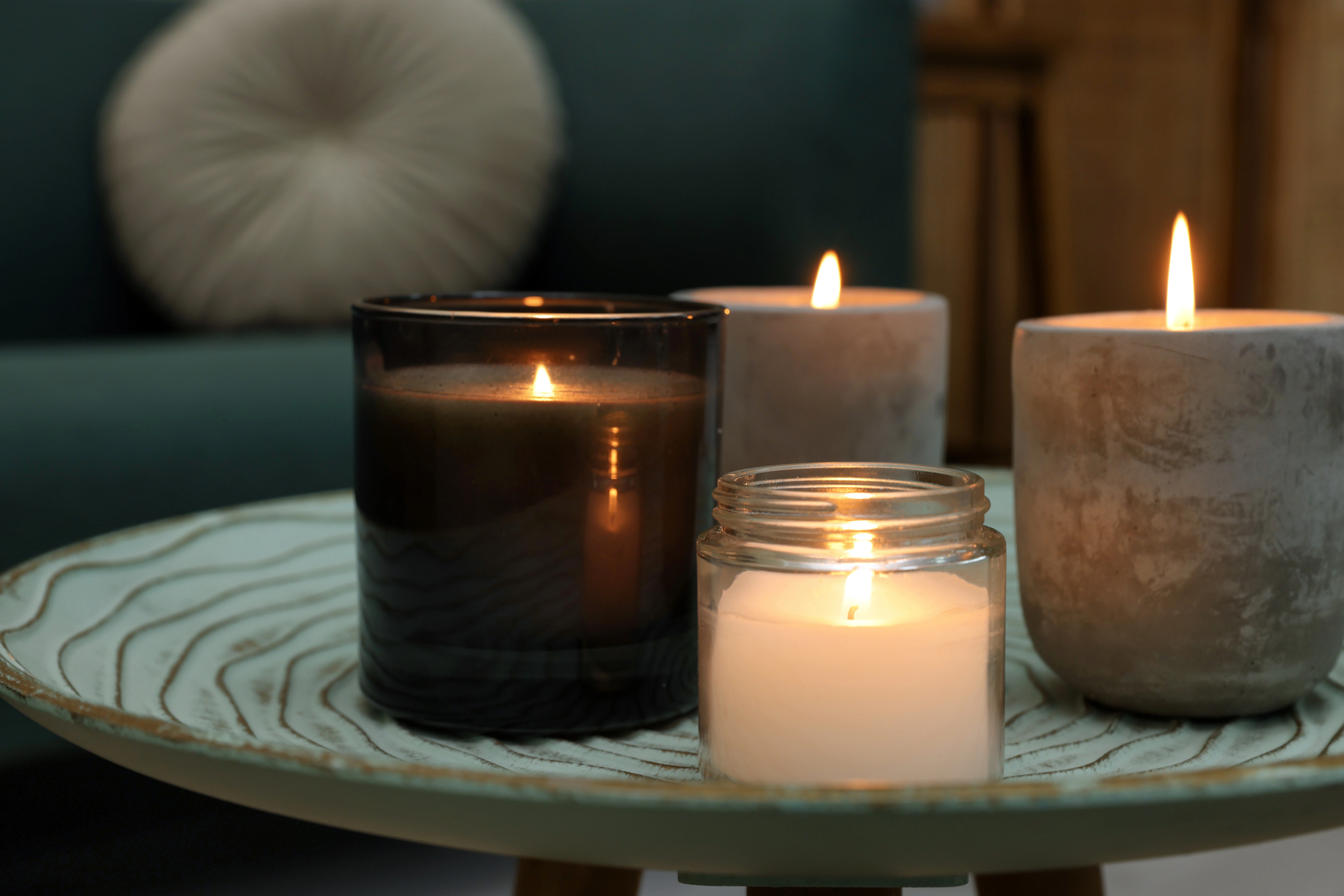
Scent and sound are powerful but often overlooked layers that make a space feel lived-in and comforting. You’ll want to create a consistent, pleasant sensory backdrop that complements your décor.
For scent, choose one or two signature fragrances, perhaps a woody, spiced or citrus blend, and use them sparingly so the effect is subtle. Options include scented candles, reed diffusers, essential oil diffusers or room sprays. If you have allergies or pets, test products carefully.
For sound, think about low-level music, an ambient playlist, or even the hum of a small water feature if that relaxes you. Consider a compact speaker system or a smart speaker that can play playlists and radio depending on your mood. Soft background music during evenings can dramatically enhance the cosy feeling.
Pairings suggestion:
- Evening relaxation: amber or sandalwood scent with low-tempo acoustic music.
- Morning comfort: citrus or light florals with soft jazz or instrumental playlists.
- Quiet reading: neutral scent (linen, cotton) with ambient instrumental soundscapes.
Keep scent sources away from fabrics and curtains to avoid staining or overly strong scent hotspots. Rotate scents seasonally to keep the room feeling fresh and relevant.
Final touches and seasonal updates
Small seasonal tweaks keep your living room feeling fresh and cosy throughout the year. In winter, add thicker throws, heavier curtains and a warm-hued rug. In summer, swap to lighter textiles, open up curtains to maximise daylight and bring in fresh flowers or brighter cushions.
Consider these practical final touches:
- Add a small basket with spare throws near seating.
- Keep a bedside-style lamp on a console for late-night reading.
- Swap cushion covers seasonally rather than replacing entire pieces.
A short seasonal checklist can make updates simple and manageable.
Quick cosy-living checklist (printable)
| Element | Quick win | Longer-term upgrade |
|---|---|---|
| Lighting | Add two table lamps and warm bulbs | Install dimmers and layered fixtures |
| Colour | Introduce throw with warm tones | Repaint one wall or the whole room |
| Textiles | Add one textured throw and three cushions | Replace sofa fabric with warmer material |
| Seating | Rearrange for face-to-face seating | Invest in a comfortable armchair |
| Rugs | Place a rug that fits front legs of furniture | Buy a larger, high-quality wool rug |
| Accessories | Add a basket for throws | Create a styled focal shelf or mantel |
| Plants | Add one easy-care plant | Create a varied plant display |
| Storage | Add a tray for remotes and a basket | Invest in multifunctional furniture |
| Scent & sound | Light a candle and play a soft playlist | Set up a smart speaker and diffuser |
Making your living room cosier doesn’t require a complete overhaul. Small, thoughtful changes add up. Focus on lighting, texture, a pleasing colour palette and arrangements that encourage comfort and connection. Personal touches, scent and sound complete the picture, making your living room not just stylish but truly comfortable.
Take one idea from this list and try it this weekend. You’ll likely find that once you start, other changes will follow naturally, and your living room will quickly become a place you want to spend more time in.