
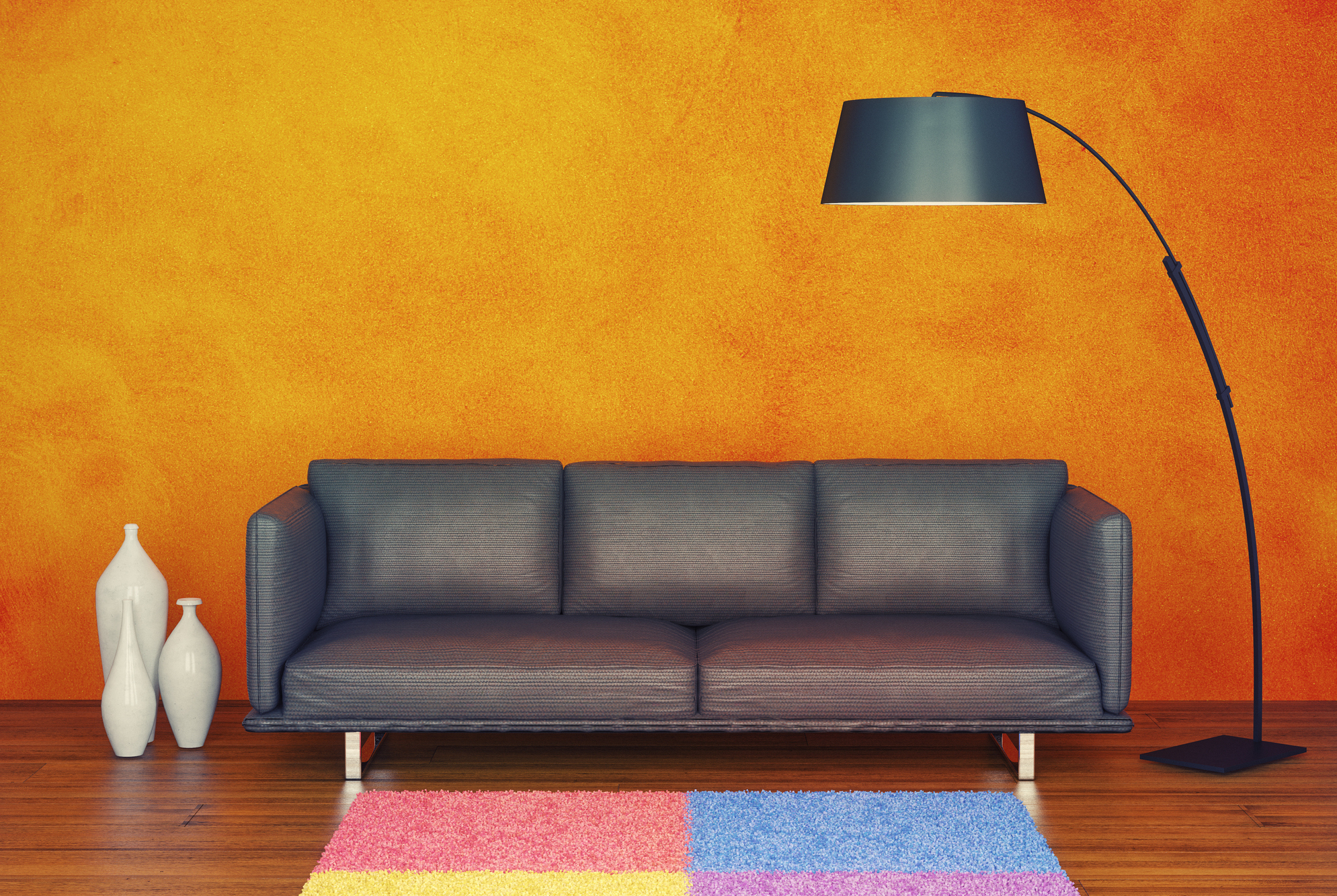
Would you like to turn your home into a warm, comfortable sanctuary simply by changing the way you light it?
How Lighting Can Transform A Home Into A Cosy One
Lighting is one of the most powerful tools you have to shape how your home feels. With the right choices, you can create a space that feels snug, welcoming and carefully considered without major renovations.
Why lighting matters for cosiness
The right light makes a room feel inviting, supports your daily routines and helps your body follow natural rhythms. You can use light to soften harsh architectural features, emphasise textures and create intimate pockets for relaxation.
Think of lighting as the background music of your home: it sets the mood, supports activities and makes everything feel more intentional.
The three layers of lighting: ambient, task and accent
To make spaces cosy, you’ll want to use a combination of three lighting layers. Each layer plays a different role and together they create balance and depth.
- Ambient lighting provides general illumination for moving around comfortably.
- Task lighting helps you focus on specific activities like reading or cooking.
- Accent lighting highlights features, creates depth and draws attention to focal points.
Mixing these layers prevents flat, clinical lighting and allows you to control mood and functionality in every room.
Ambient lighting: the foundation
Ambient light is what lets you navigate a room safely and comfortably. You can achieve it through ceiling fixtures, wall-mounted lights or well-placed floor lamps.
Aim for a soft, even ambient level rather than glare. Warm colour temperatures and diffusers help create an even glow that feels relaxing.
Task lighting: practical and focused
Task lighting supports activities that require more light, such as reading, meal preparation or working. Desk lamps, under-cabinet kitchen lights and bedside reading lights are key examples.
You’ll want these lights to be brighter than ambient light and directional so you don’t create shadows where you need clarity.
Accent lighting: shape and drama
Accent lights are your design tools for cosiness. Use them to highlight artwork, bookshelves, plants or architectural details. Small spotlights, picture lights or LED strips add visual interest.
Accent lighting creates contrast and layers, making rooms feel richer and more intimate.
Colour temperature and why warmer is cosier
Colour temperature is measured in Kelvin (K) and describes how “warm” or “cool” light appears. For a cosy ambience, you’ll generally favour warmer temperatures.
- 2700K–3000K: Warm white, ideal for living rooms, bedrooms and dining areas.
- 3000K–3500K: Neutral white, suitable for kitchens and bathrooms if you prefer a balance.
- 4000K and above: Cool white, better for task-heavy spaces and work areas but less cosy.
Warmer light mimics candlelight and sunset, which your brain associates with relaxation and safety.
How to choose colour temperature by room
Consider how you use each room and choose a temperature that supports that use. Bedrooms and living rooms benefit from warmer light, while kitchens and home offices may require slightly cooler, more neutral temperatures.
Mixing temperatures in the same open-plan space can work if you keep coherent layering and ensure transitions feel natural.
Brightness and lumens: how much light do you need?
Brightness is measured in lumens, not watts. Modern LEDs give you much more light for less energy, so focus on lumen output when choosing bulbs.
Use the following rough lumen guides as a starting point:
| Room | Typical function | Recommended lumens (total) |
|---|---|---|
| Living room | Relaxing, socialising | 1,500–3,000 lm |
| Bedroom | Rest, reading | 1,000–2,000 lm |
| Kitchen | Preparing food, tasks | 3,000–5,000 lm |
| Dining room | Meals, social | 2,000–4,000 lm |
| Bathroom | Grooming, tasks | 3,000–4,000 lm |
| Hallway/stairs | Circulation | 300–800 lm per zone |
| Home office | Work, reading | 3,000–6,000 lm |
Adjust these numbers based on room size, ceiling height and surface reflectivity. You’ll often achieve the total through multiple fixtures rather than one central lamp.
Using dimmers to control mood
Dimmers are one of the simplest ways to make lighting flexible and cosy. They let you lower intensity for relaxation and raise it for tasks or cleaning.
Install dimmers for ambient lights and some task lights. Choose compatible dimmable LEDs and ensure your dimmer switch is rated for LED loads to avoid flicker.
Scenes and presets
Many smart lighting systems let you save “scenes” – preset brightness and colour temperature combinations for different activities. You can create a reading scene, dinner scene and movie scene to switch moods instantly.
Scenes reduce friction, so you’ll actually use different lighting modes rather than leaving everything at full power.
Bulb types and finishes
Different bulb types and finishes affect the quality of light and the atmosphere they create.
| Bulb type | Pros | Cons | Best for |
|---|---|---|---|
| LED | Energy-efficient, long life, many colour temps | Some cheap LEDs have poor colour rendering | Most rooms |
| Incandescent (less common now) | Warm light, excellent colour | Inefficient, phased out in many places | Period properties, mood lighting |
| Filament LED | Warm look like traditional bulbs | Slightly pricier | Visible fixtures, vintage style |
| CFL | Efficient but slow start, cooler tones | Contains mercury, warm-up time | Less recommended now |
| Halogen | Good colour, bright | Hot, inefficient | Accent spots (but being phased out) |
Finish matters too. Frosted bulbs give softer, diffused light; clear bulbs show filaments and create sparkle in open fixtures.
Colour rendering index (CRI) — why it matters
CRI measures how accurately a light source reveals colours, on a scale up to 100. For cosy, natural-looking interiors you’ll want bulbs with a CRI of 90+ when colour accuracy matters, for artwork, textiles or skin tones.
Lower CRI bulbs can make colours look washed-out or unnatural, reducing the feeling of warmth and comfort.
Lampshades, diffusers and materials
The way light is softened and filtered affects cosiness. Lampshades, diffusers and materials alter how light interacts with the room.
- Fabric shades: Soften light and create pools of glow, perfect for bedrooms and living rooms.
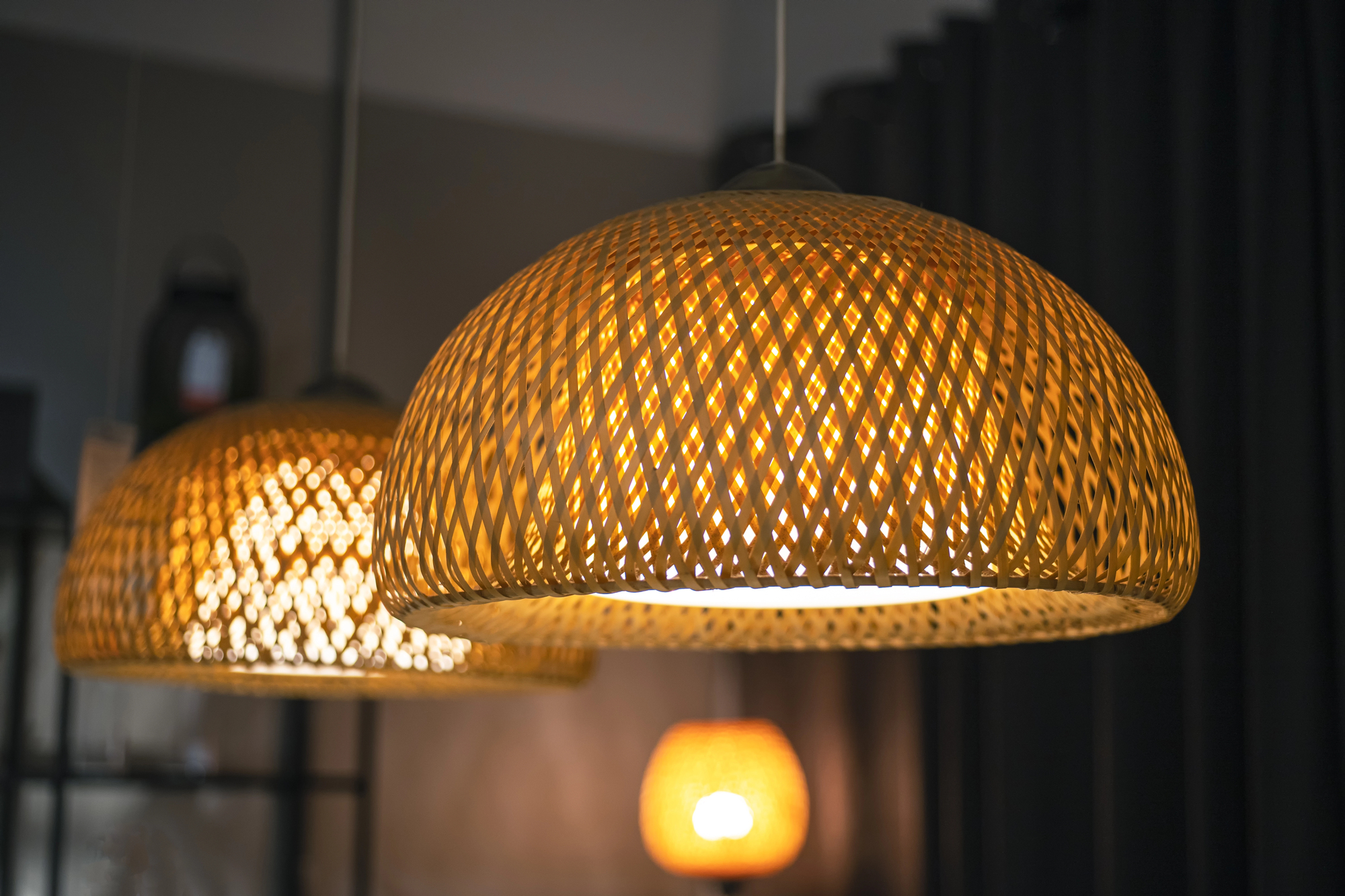
- Paper or rice shades: Offer very soft, diffuse light and a calming aesthetic.
- Metal shades: Direct light and create contrast, useful for task lighting.
- Glass shades: Can scatter or focus light depending on finish.
Choose shades that complement your room’s style and diffuse light gently to avoid harsh shadows.
Placement principles: where to put your lights
Placement is as important as the light itself. Good positioning avoids glare and creates comfortable sightlines.
- Place floor lamps near seating to create reading nooks.
- Use wall lights to wash vertical surfaces and reduce the need for bright overheads.
- Install under-cabinet lights in kitchens to remove shadows on counters.
- Position accent lights to highlight textures and focal points.
Avoid placing bright lights directly in your line of sight when sitting; indirect, reflected light is usually more comfortable.
Sightlines and glare control
Minimise glare by using shades, diffusers and directional fixtures. You want light to reach surfaces rather than strike your eyes directly.
Recessed lights should be positioned to avoid shining across seating areas. Task lights need to be adjustable so you can direct the beam where needed.
Using natural light to enhance cosiness
Natural light is free and beautiful. Use window treatments and furniture placement to maximise daylight while controlling glare.
- Sheer curtains let in soft daylight while maintaining privacy.
- Layer curtains so you can block light completely at night and soften it during the day.
- Use mirrors and light-coloured surfaces to bounce daylight deeper into rooms.
Consider how sunlight moves through your home during the day and plan seating, desks and mirrors to make the most of it.
Window treatments and seasonal adjustments
Adjust light in summer and winter to match your comfort needs. Heavier curtains block cold drafts and create a cocooned feeling in winter, while lighter treatments allow cooling breezes and daylight in summer.
Consider thermal-lined curtains for added insulation that also improves the perceived cosiness of a room.
Colour, texture and light interaction
Paint colours, textiles and finishes determine how light behaves. Dark, matte surfaces absorb light and create intimacy, while light, glossy surfaces reflect light and make rooms feel larger.
- Use darker tones on one wall to create a snug feature.
- Layer soft textiles that catch light and create interesting shadows.
- Choose matte finishes to avoid harsh reflections in relaxing spaces.
The interplay between material and light can make a space feel tactile and welcoming.
Lighting by room: practical recommendations
Different rooms have different needs. Here are detailed tips for each key space.
Living room
The living room is where you want flexibility between bright and cosy. Use a warm ambient ceiling light with multiple dimmable sources: floor lamps by sofas, table lamps on side tables and accent lights for art or shelving.
Create zones with lighting so guests and you can choose comfortable areas for conversation, reading and TV without lighting the whole room brightly.
Bedroom
In the bedroom, aim for calm and low light. Use bedside lamps with warm bulbs, a dimmable overhead light and perhaps wall-mounted reading lights. Consider using low-level floor lighting or toe-kick LEDs in wardrobes for gentle night movement.
Avoid strong overheads at night; soft, indirect lighting helps your body prepare for sleep.
Kitchen
Kitchens need bright task lighting but can still be cosy. Use under-cabinet strips for counters, pendant lights over islands on dimmers and ambient ceiling lighting for general illumination.
Select slightly cooler, neutral temperatures for food prep but balance them with warm pendants to keep the space friendly.
Dining room
Dining rooms are made for shared meals and conversation, so use a central pendant or chandelier on a dimmer to create a warm, intimate atmosphere. Add candles or tealights for extra cosiness during evening meals.
Position lighting to avoid glaring reflections on glassware or shiny table surfaces.
Bathroom
Bathrooms require good task lighting around mirrors and softer ambient lighting elsewhere. Use wall-mounted lights beside or above mirrors for even facial illumination, and consider under-cabinet or plinth lights for soft night-time navigation.
Ensure fixtures are rated for bathroom zones and moisture resistance.
Hallway and stairs
Corridors and stairs benefit from layered, subtle lighting to guide movement. Use low-level wall lights or step lights for safety and a warm overhead pendant for general illumination.
Motion sensors can add convenience while creating a gently lit path at night.
Home office
Your home office should combine focused task lighting with softer ambient light to reduce eye strain. Use a quality desk lamp with an adjustable arm and higher CRI bulbs to render colours accurately.
Avoid bright overhead lights that create glare on screens; use layered lighting instead.
Smart lighting: convenience and ambience
Smart bulbs and systems offer easy control over brightness, colour temperature and scenes. You can program schedules, sync lights with sunrise/sunset and set one-touch scenes for different moods.
Smart lighting makes it simple to switch from bright, productive light to a cosy, warm glow without fiddling with multiple switches.
Voice control and automation
Integrate lighting with voice assistants or smart hubs for hands-free control. Automation can dim lights gradually in the evening to support better sleep patterns, or switch lights on slowly in the morning.
Use automation thoughtfully to enhance comfort rather than overwhelm with settings.
Candles and flicker light for extra warmth
Real candles or good-quality LED candles add an unmatched flicker and warmth that feels intimate. Place them safely on trays or in hurricane lamps to prevent accidents.
Use candlelight in moderation to create special moments or to complement your layered electric lighting.
Safety, maintenance and energy efficiency
Good lighting should be safe and sustainable. Use energy-efficient LEDs, keep bulbs and fixtures dust-free and replace dimmers or switches that buzz or flicker.
Ensure outdoor and stair lighting meets safety needs, and check that bathroom fixtures are IP-rated for wet zones.
Outdoor and porch lighting
Warm, inviting outdoor lights make your home feel cosy before you step inside. Use wall lights by doors, step lights and soft pathway lighting to guide you home.
Outdoor sensors can improve security while preserving ambience with warmer bulbs or amber tones.
Styling tips for cosy lighting
Small styling decisions can magnify the effect of your lighting choices.
- Group table lamps in odd numbers to create balance.
- Use warm metallics like brass or copper to reflect warm light.
- Layer textures in fabrics and rugs to catch and scatter light.
- Consider plants that respond well to softer indoor light for a lived-in feel.
These touches make light feel like it belongs in the space rather than being an afterthought.
Common mistakes and how to avoid them
Be mindful of typical lighting errors that reduce cosiness.
- Overreliance on a single central light leads to flat, harsh rooms. Use layers instead.
- Using only cool white light makes spaces feel clinical. Choose warmer temperatures in living areas.
- Too much direct glare from exposed bulbs can be uncomfortable. Use shades or diffusers.
- Improper placement of task lights creates shadows. Position task lights carefully for comfort.
Avoiding these mistakes helps you achieve a cohesive, cosy feel.
Budget-friendly upgrades that make a big difference
You don’t need to spend a fortune to transform your lighting.
- Swap old bulbs for warm white LEDs with a high CRI.
- Add a few table or floor lamps for instant warmth.
- Install dimmer switches for flexible mood control.
- Use tape LEDs under shelves or behind TVs for low-cost accent lighting.
Small investments often yield the biggest impressions.
Project plan: step-by-step approach to cosy lighting
Follow this simple plan to upgrade your home lighting without overwhelm.
- Assess each room’s function and current light sources.
- Choose a primary colour temperature for living spaces (2700K–3000K).
- Replace old bulbs with warm LEDs and high CRI where needed.
- Add task lights in areas where you need focused illumination.
- Introduce one or two accent lights to highlight features or textures.
- Install dimmers and programme smart scenes if desired.
- Tweak placement and shade choices to soften light.
- Live with the changes for a week and adjust brightness and scenes based on daily routines.
This iterative approach prevents rushed mistakes and ensures the lighting fits how you actually live.
Checklist for shopping and installation
Use this checklist before you buy or install new lights.
- Decide on colour temperature and CRI requirements.
- Calculate desired lumen output per room.
- List fixtures: ceiling, wall, floor, table, under-cabinet.
- Confirm dimmer compatibility with chosen bulbs.
- Choose shades and diffuser types for softness.
- Note IP ratings for bathrooms and outdoor lights.
- Plan wiring and switch placement for convenience.
- Consider smart controls and scene needs.
A clear plan saves time and ensures everything works together.
Final thoughts: making cosiness part of daily life
Cosy lighting is more than aesthetics; it supports relaxation, social connection and restful sleep. By layering light, choosing warm temperatures, using dimmers and emphasising natural light, you create a home that feels intentional and tranquil.
Start small if you need to, and remember that subtle changes—like swapping a bulb or adding a lamp—often make the biggest difference to the atmosphere. With a little planning and attention to detail, you’ll find your home becomes a more comforting place to live every day.