
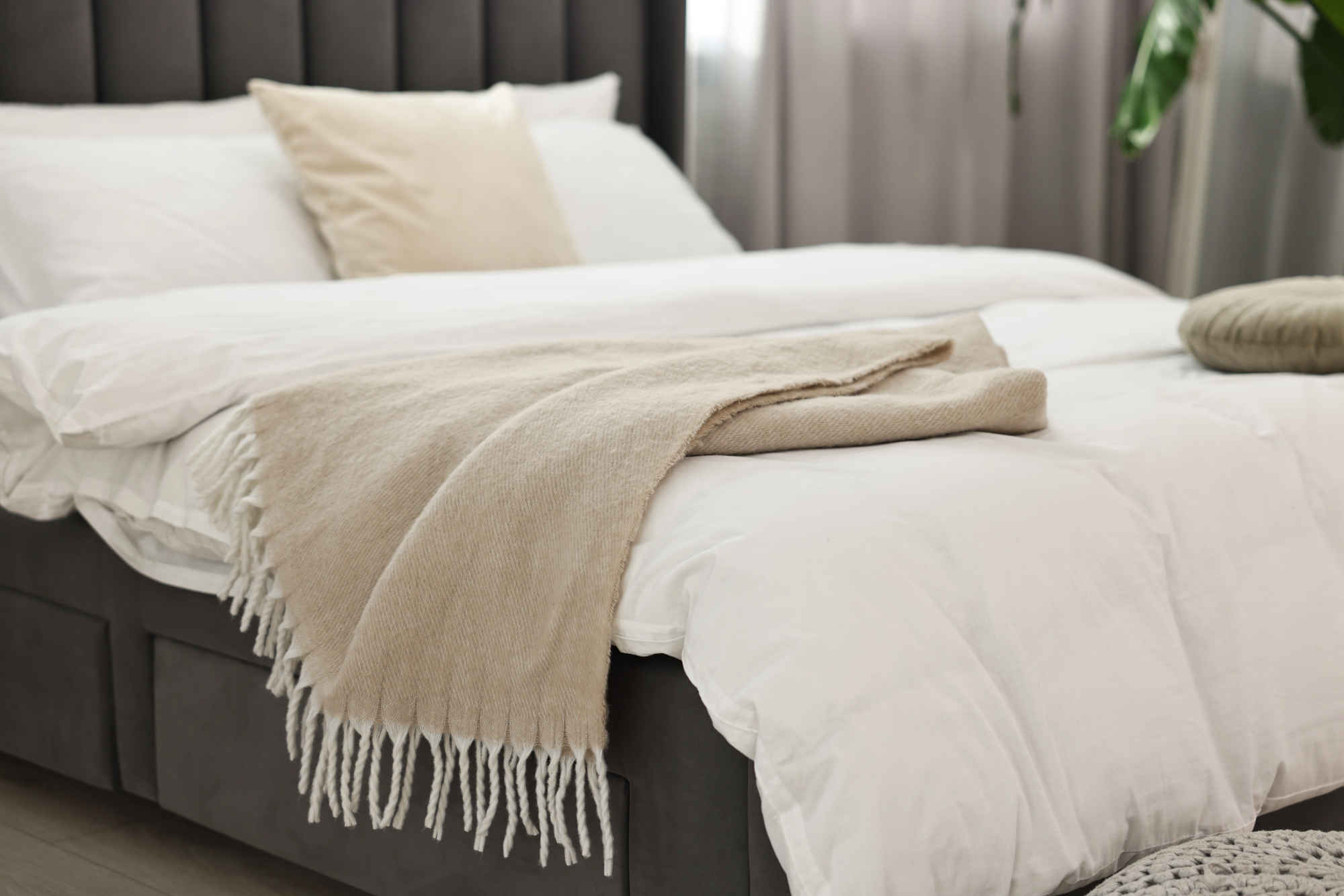
Are you looking to make your bedroom feel warmer and more inviting by choosing the right fabrics?
Best Fabrics For A Warm And Inviting Bedroom
Choosing the right fabrics can completely transform your bedroom into a cosy retreat. In the sections that follow, you’ll learn how different fibres perform for bedding, curtains, upholstery and soft furnishings, with practical advice on care, styling and when to choose one material over another.
Why fabric choice matters
Fabric affects warmth, breathability, texture and appearance, all of which contribute to how welcoming your bedroom feels. The right combination of materials will keep you comfortable, look inviting and be easy to maintain.
How to use this guide
You’ll find detailed profiles of common and specialist fabrics, comparisons that make selection easier, care instructions, and styling tips so you can create a layered, comfortable space that suits your needs and budget.
Natural vs synthetic: the essentials
Natural fibres (cotton, linen, wool, silk, bamboo) often feel more breathable and comfortable against the skin, while synthetic fibres (polyester, microfibre, acrylic) can offer durability, stain resistance and affordability. Knowing the strengths and limitations of each will help you pick the right mix for your bedroom.
Natural fibres: pros and cons
Natural fibres are typically more breathable and biodegradable, and they often regulate temperature well. They can be higher maintenance though, as many require gentler washing or professional care, and can be pricier.
Synthetic fibres: pros and cons
Synthetics are usually more affordable, durable and easier to care for. They may be less breathable and can retain odours or static. Again, blends often offer a compromise between comfort and practicality.
Quick comparison: common fabrics at a glance
Below is a quick reference comparing warmth, breathability, maintenance and best uses for the most common bedroom fabrics.
| Fabric | Warmth | Breathability | Maintenance | Best uses |
|---|---|---|---|---|
| Cotton (percale/sateen) | Moderate | High | Easy | Sheets, pillowcases, duvet covers |
| Linen | Moderate | Excellent | Moderate (creases) | Sheets, lightweight throws, curtains |
| Wool (incl. merino) | High | Moderate | Moderate (pilling, dry clean for some) | Throws, blankets, rugs, upholstery |
| Cashmere | Very high | Good | High (hand wash/dry clean) | Luxury throws, cushions |
| Flannel | High | Moderate | Easy | Winter sheets, duvet covers |
| Velvet | High | Low-Moderate | Moderate (spot clean/dry clean) | Upholstery, curtains, cushions |
| Chenille | High | Moderate | Moderate | Throws, cushions, upholstery |
| Faux fur | Very high | Low | Easy (washable types) | Throws, cushions |
| Silk | Low-Moderate | High | High (hand wash/dry clean) | Accent cushions, pillowcases |
| Satin (synthetic) | Low-Moderate | Low | Easy | Pillowcases, cushions |
| Tencel/Lyocell | Moderate | Excellent | Easy-Moderate | Sheets, pillowcases, duvet covers |
| Bamboo (viscose) | Moderate | Excellent | Moderate | Sheets, pillowcases |
| Microfibre/Polyester | Low-Moderate | Low | Very easy | Duvet covers, curtains, upholstery |
| Jersey | Moderate | High | Easy | Fitted sheets, duvet covers, throws |
| Tweed | Moderate | Low | Moderate | Upholstery, headboards |
Cotton: versatile and comfortable
Cotton is the go-to fabric for sheets and many bedroom textiles because it balances softness, breathability and easy care. You’ll find a range of weaves and finishes that affect feel and warmth.
Types of cotton and what they mean
- Percale: a crisp, cool weave that feels fresh, ideal if you sleep warm.
- Sateen: a smoother, slightly lustrous weave that feels softer and a touch warmer.
- Egyptian and Pima (Supima): long-staple cotton varieties that are softer and more durable.
Cotton for bedding and curtains
You’ll find cotton sheets in a wide range of thread counts. For comfort, aim for a mid-range thread count (200–400) rather than assuming higher numbers are always better. Cotton curtains work well for a casual look, and cotton-linen blends can offer structure without heaviness.
Care and tips
Cotton is machine-washable and fairly resilient. Use gentle detergent and avoid excessive heat when tumble drying to prevent shrinkage.
Linen: breathable and textural
Linen has a wonderful natural texture that feels relaxed and lived-in. It’s highly breathable and actually becomes softer with each wash, making it excellent for summer or all-year use in a slightly weighted weave.
Benefits of linen
Linen regulates temperature well and has a slightly rustic, tactile quality that adds immediate warmth and character to a room. It’s also low-allergy and naturally anti-bacterial.
Uses in the bedroom
You’ll see linen in sheets, duvet covers, curtains and lightweight throws. Heavier linen makes attractive cushion covers and upholstery for a relaxed yet refined look.
Care and tips
Linen creases easily, which is part of its charm. Wash on a gentle cycle in cool water, and either tumble dry on low or line-dry. Iron while slightly damp if you prefer a neater finish.
Wool: natural insulation
Wool is a superb insulator that keeps you warm even when damp. Its natural crimps trap air, making it one of the best fibres for winter bedding and cosy blankets.
Wool varieties
- Merino: fine, soft and less itchy than traditional wool.
- Sheepskin: provides luxury rugs and throws.
- Lambswool / worsted wool: denser, durable and excellent for upholstery and heavy throws.
Uses and styling
Wool is ideal for chunky throws, blankets, rugs and winter cushions. A wool throw at the foot of the bed creates immediate warmth and texture.
Care and tips
Some wool items are machine-washable on a wool cycle; others require dry cleaning. Always check labels and consider professional cleaning for large or valuable pieces.
Cashmere: luxurious warmth
Cashmere is lightweight yet incredibly warm and soft. It’s a high-end option for throws and cushions that provide luxury without bulk.
When to choose cashmere
Opt for cashmere when you want sumptuous softness and warmth. It’s perfect for layering on a bed or for a luxury throw on an armchair.
Care and tips
Cashmere requires gentle handling. Hand wash in cool water or use specialised cashmere detergent, and dry flat to retain shape.
Flannel: soft and snug for winter
Flannel is cotton or wool that has been brushed to create a fuzzy surface which traps heat. It’s perfect for cold months.
Uses
You’ll find flannel sheets, duvet covers and pyjama-style bedding. Flannel is one of the quickest ways to make a bed feel instantly cosy.
Care and tips
Flannel may pill over time. Wash in cool water and avoid high heat to preserve the nap.
Velvet: tactile and luxe
Velvet adds depth and glamour to a bedroom. Its pile catches light and creates a sumptuous surface that reads as warm and intimate.
Uses
Use velvet for headboards, cushions, curtains and occasional chairs. It pairs beautifully with wool, linen and metallic accents.
Care and tips
Velvet can attract dust and may require dry cleaning, though some modern velvets are machine-washable. Brush occasionally to maintain pile.
Chenille and boucle: soft texture
Chenille and boucle provide a nubby, tactile surface which adds visual interest and warmth. They’re popular for throws, cushions and upholstery.
Benefits
These fabrics feel inviting to the touch and soften a room instantly. They’re forgiving on the eyes, hiding small stains or wear well.
Care and tips
Many chenille and boucle items benefit from professional cleaning, though smaller items like cushion covers are often machine-washable on a gentle cycle.
Faux fur: instant cosy

Faux fur offers the look and feel of real fur while being animal-friendly and often easier to care for. It’s ideal for throws and accent cushions.
Styling and uses
A faux-fur throw over a duvet or folded at the foot of the bed introduces softness and a winter-ready vibe. Use modest amounts to avoid overwhelming the space.
Care and tips
Check whether the item is machine-washable; if so, wash gently and tumble dry on low, or use a specialist cleaner.
Silk and satin: cool and elegant
Silk and satin are smooth and gentle against the skin. Silk pillowcases are prized for hair and skin benefits and are also breathable, keeping you comfortable.
Uses
Silk is best used for pillowcases and accent cushions. Satin (often made from polyester) offers the glossy look at a lower price.
Care and tips
Silk usually needs hand washing or dry cleaning. Satin is more forgiving and can often be machine washed inside out on a gentle cycle.
Tencel (Lyocell) and bamboo: modern eco-friendly options
Tencel and bamboo-derived viscose are breathable, smooth and often have excellent moisture-wicking properties. They’re increasingly popular for sheets and pillowcases.
Why choose them
These fibres are manufactured with more environmentally friendly processes than conventional viscose, and they feel cool and soft – a great choice if you sleep hot.
Care and tips
Machine-washable on a cool or warm setting; avoid high heat when drying to prevent shrinkage.
Microfibre and polyester: practical and budget-friendly
Microfibre is easy to care for, affordable and durable. It resists staining and dries quickly.
Uses
Good for duvet covers, curtains and items you expect to wash frequently. Modern microfibre can mimic suede or satin finishes.
Care and tips
Machine-washable and quick-drying. Beware of synthetic static; using a fabric softener or dryer sheet can help.
Jersey: soft and casual
Jersey is knit fabric (often cotton or cotton-blend) that you’ll recognise from T-shirts. It’s stretchy, soft and comfortable.
Uses
Jersey sheets and duvet covers create a relaxed, slouchy bed that invites you to snuggle down.
Care and tips
Jersey can be machine-washed but may stretch slightly; tumble dry on low to reduce creasing.
Tweed and upholstery fabrics: structure and durability
For headboards, bed frames, and accent chairs you’ll need fabrics that are robust and easy to keep clean. Tweed, heavy linen blends and tightly woven synthetics are common choices.
Choosing upholstery fabric
Look for Martindale or Wyzenbeek abrasion ratings for durability, and consider stains or spills when deciding on fabric type and colour.
Care and tips
Professional cleaning is often recommended for upholstered items. Removable covers make maintenance easier.
Weaves, thread count and GSM: what these numbers mean
Understanding how fabrics are made helps you make better choices.
Weaves
Plain (percale): crisp and breathable. Sateen: smooth with sheen. Twill: diagonal pattern, durable and drapes well. Pile (velvet, chenille): raised surface creates warmth.
Thread count and GSM
Thread count (threads per square inch) is relevant for woven sheets. Aim for 200–400 for cotton, beyond that the gain in comfort is marginal. GSM (grams per square metre) is more useful for towels, blankets and heavier items. The higher the GSM, the heavier and often warmer the fabric.
Layering: how to build a warm bed
Layering different fabrics and weights is the key to a warm, inviting bed. Start with breathable base layers and add insulating blankets and throws.
A recommended layering approach
- Fitted sheet in cotton or Tencel for breathability.
- Lightweight duvet for year-round use.
- Wool or cashmere throw folded at the foot for added warmth.
- A faux-fur or chunky knit throw for texture and extra insulation.
- Mix cushions in velvet, linen and wool for tactile interest.
Why layering works
Layering lets you adjust warmth through the seasons and creates visual depth, making the bed look purposeful and cosy.
Curtains, blinds and insulation
Window treatments significantly affect thermal comfort. Heavy curtains can reduce heat loss, while lighter voile curtains soften light and add texture.
Choosing curtains for warmth
Thermal or lined curtains with a dense weave help insulate windows. Mount them close to the window and extend them to the floor for maximum effect.
Blinds and secondary glazing
Roman blinds with thick fabric or cellular blinds add insulation. Combining blinds with curtains is a practical and attractive solution.
Rugs and flooring textiles
A rug underfoot transforms a space from cold to cosy. Wool rugs are warm and durable, while synthetic rugs are budget-friendly and stain-resistant.
Placement and size
Choose a rug that sits under the bed and extends beyond the sides and foot for a unified look. Layer rugs for added texture and warmth.
Colour, pattern and texture: creating warmth visually
Warmth isn’t only physical, colour and texture influence how cosy a room feels. Rich, warm tones and tactile fabrics will make a space feel inviting.
Colour choices
Warm neutrals (greige, terracotta, warm taupe), deep jewel tones (copper, teal, burnt orange) and muted pastels all contribute to a cosy atmosphere. Mix contrast with lighter bedding to keep the room balanced.
Texture pairing
Mix smooth (sateen or silk) with nubby (wool, boucle) and plush (velvet, faux fur) textures to create depth without clutter.
Allergy considerations
If you’re prone to allergies, choose hypoallergenic fabrics and easy-to-wash materials. Tencel and cotton are good, and avoid heavy wool or feather-filled duvets if dust mites are an issue.
Washable vs dry-clean-only
Opt for washable covers for bedding and cushion covers to regularly remove allergens. Use allergen-proof mattress and pillow protectors.
Sustainability and certifications
If sustainability matters to you, look for certifications like GOTS (Global Organic Textile Standard), OEKO-TEX and FSC for wood-based fibres. Choose long-lasting fabrics and repair or repurpose items rather than replacing them frequently.
Durable choices that last
Invest in higher-quality natural fibres for long-term savings and lower environmental impact. Blended fabrics can combine performance with a lower price but check production standards.

Care guide: how to look after common bedroom fabrics
Below is a practical care table so you can keep your fabrics looking their best.
| Fabric | Washing | Drying | Ironing | Special care |
|---|---|---|---|---|
| Cotton | Machine wash warm | Tumble low/line dry | Medium heat | Shrinkage risk in hot water |
| Linen | Cool wash | Line dry/tumble low | Iron damp | Accepts creases |
| Wool | Wool cycle or dry clean | Flat dry | Low heat steam | Pilling possible |
| Cashmere | Hand wash/cold | Dry flat | Do not iron hot | Store folded to prevent stretching |
| Flannel | Machine wash warm | Tumble low | Low | May pill over time |
| Velvet | Dry clean or gentle wash | Air dry | Steam only | Brush pile gently |
| Chenille | Gentle wash/dry clean | Air dry | Low | Hand wash delicate items |
| Faux fur | Cold machine wash (if labelled) | Low tumble or air dry | Do not iron | Fluff after dry |
| Silk | Hand wash/dry clean | Line dry | Low | Use silk detergent |
| Tencel/Bamboo | Machine wash cool | Tumble low/line dry | Low | Avoid chlorine bleach |
| Microfibre | Machine wash warm | Tumble low | Low | Avoid fabric softener for performance |
| Jersey | Machine wash warm | Tumble low | Low | May stretch; reshape while damp |
Budgeting and prioritising purchases
Decide where to invest and where to save. Spend on high-contact items (mattress protector, pillows, duvet, main duvet cover) and choose affordable fabrics for décor items like cheap cushion covers which can be swapped seasonally.
Quick investment guide
- Invest: Mattress protector, main duvet, high-quality sheets, and a good wool blanket.
- Save: Seasonal cushions, decorative throws, and less used accent upholstery.
Common mistakes and how to avoid them
Avoid mistaken purchases by reading labels and testing samples if possible.
Mistakes to avoid
- Choosing heavy fabrics for hot sleepers: pick breathable options like linen or Tencel.
- Relying on thread count alone: consider fibre quality and weave.
- Buying dry-clean-only for everyday items: prefer washable fabrics for frequently used bedding.
Final recommendations by need
Here are some quick, tailored picks depending on your priorities.
- For cold climates: Wool blankets, flannel sheets, thick velvet curtains.
- For hot sleepers: Tencel or linen sheets, lightweight cotton duvet, bamboo or silk pillowcases.
- For low maintenance: Microfibre or cotton blends, washable duvet covers and cushion covers.
- For luxury: Cashmere or high-grade wool throw, sateen or high-quality cotton sheets, velvet headboard or cushions.
- For allergy sufferers: Tencel or cotton sheets, washable covers, synthetic-fill allergy-proof duvets.
Summary
Choosing the best fabrics for a warm and inviting bedroom requires balancing warmth, breathability, texture and care. Layer breathable base sheets with insulating throws and use heavier curtains and rugs to retain heat. Mix and match fibres; wool and cashmere for insulation, linen and Tencel for breathability, and velvet or faux fur for texture, to create a bedroom that feels comfortable, stylish and suited to your lifestyle.